
De Baca County Arrest Records and Charges
An arrest record is not the same thing as a prosecutor-filed charge. The arrest or booking side may reflect who was arrested, the arresting agency, booking details, custody status, and possible initial accusations. The court charge record begins when the prosecutor or charging authority files a complaint, information, indictment, or citation in court. In De Baca County, the court side may appear in Magistrate Court, District Court, or Fort Sumner Municipal Court depending on the offense and stage.
The official sources inspected did not locate a De Baca County online jail roster, public mugshot database, or sheriff-hosted arrest-search portal. That gap should not be filled with third-party jail sites. If the goal is custody or booking detail, the best next step is local verification through the sheriff or holding facility once official contact is confirmed. If the goal is charges after arrest, use court records. Case Lookup, De Baca Magistrate Court, De Baca District Court, Fort Sumner Municipal Court, and IPRA channels are the stronger record paths for charge status.
The manifest image below comes from the New Mexico Law Offices of the Public Defender role page.
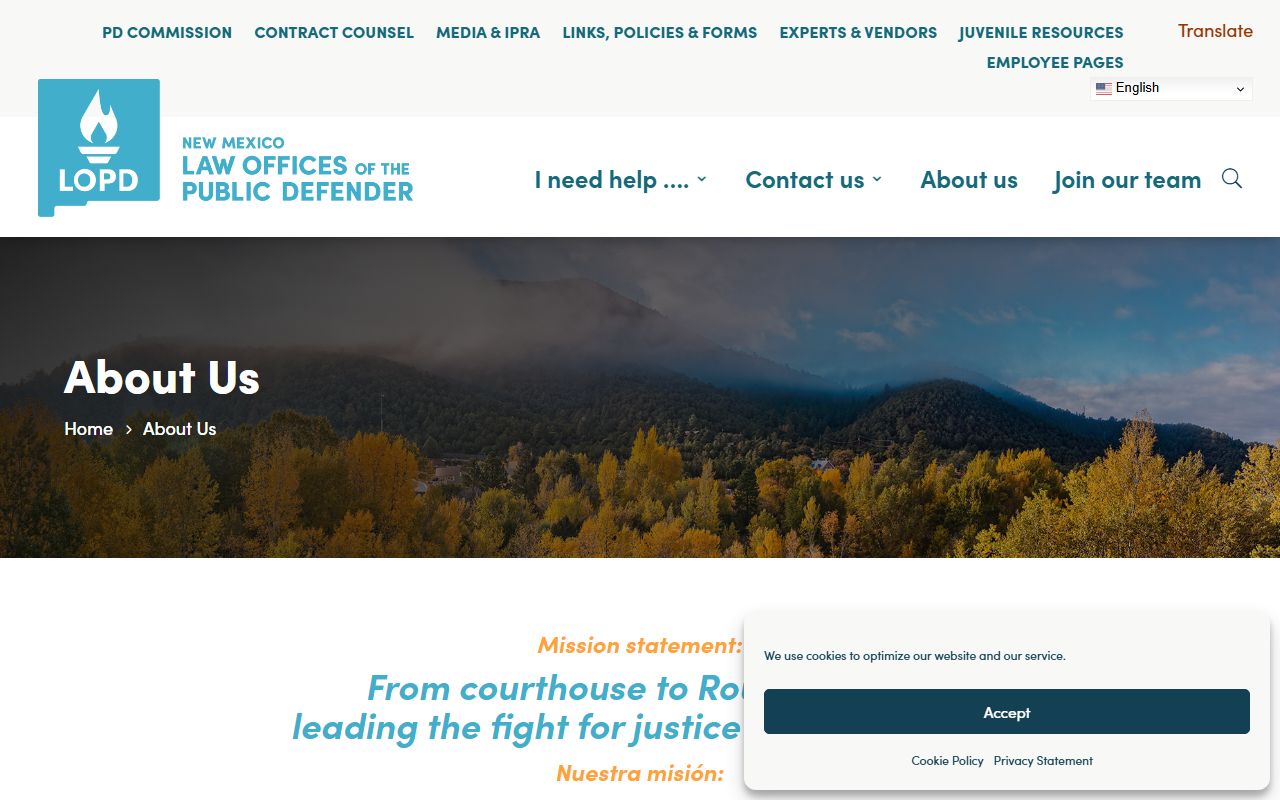
The defense role matters because charges after arrest may lead to appointed counsel, plea discussions, hearings, and later disposition entries in the court file.
Find De Baca County Arrest Records
For court charges after arrest, start with New Mexico Case Lookup. Search by name, case number, or DWI. Use District Court for felony files and criminal appeals. Use Magistrate Court for misdemeanors, DWI/DUI, traffic, and felony preliminary hearings. The District Court Fort Sumner location appears as 1027, and the Magistrate Court Fort Sumner location appears as 13. If a person was recently arrested and no court case appears yet, the prosecutor may not have filed formal charges or the entry may not be in the public system.
- Search Case Lookup by defendant name, case number, or DWI if the arrest involved DWI.
- Limit the search to District Court or Magistrate Court and choose the Fort Sumner court location.
- Open the matching case and read each listed charge, not just the first result line.
- Check whether the charge is pending, amended, reduced, dismissed, or tied to a conviction.
- Use IPRA, re:SearchNM if eligible, or direct clerk contact for documents not visible in the docket.
For custody records, do not use NMCD as a county jail substitute. The New Mexico Corrections Department offender search covers people incarcerated in state prison or under probation/parole supervision. NMCD states that it does not have jurisdiction over county or city detention facilities. Court charges, bond, and hearing dates may appear in the court record even when county custody details are not online.
Charges After Arrest Documents
Charges after arrest enter the court file through a charging document. The research glossary identifies three key terms: criminal complaint, information, and indictment. A criminal complaint is a charging document used to start many criminal cases. An information is a prosecutor-filed charging document. An indictment is a grand-jury charging document. The document type can show how the case reached court and whether it is in an early, amended, or more formal stage.
| Document | Who Files It | How It Functions |
|---|---|---|
| Criminal complaint | Officer or prosecutor depending on case path. | Starts many criminal cases and sets out the accusation filed with the court. |
| Information | Prosecutor. | Formal prosecutor-filed charges, often used after review of the case. |
| Indictment | Grand jury. | Grand-jury charging document often tied to more serious felony prosecution. |
One arrest can lead to more than one charge. Some charges may be filed in Magistrate Court first, then move to District Court if the matter proceeds as a felony. Some traffic, DWI, or petty misdemeanor charges may remain in Magistrate or Municipal Court. The document copy itself may require a clerk request because Case Lookup is a docket view and may not display document images.
De Baca Charge Status
Charge status changes as a case moves. A filed charge may remain pending, be amended, reduced, dismissed, or lead to a disposition. A dismissal can be with prejudice, meaning it cannot be refiled in the same form, or without prejudice, meaning it may be refiled if allowed. A disposition is the outcome of a charge or case. A sentence is punishment or conditions imposed after conviction.
| Status | What It Means |
|---|---|
| Pending | The charge is filed and no final outcome is shown yet. |
| Amended | The prosecutor or court record reflects a changed charge, wording, count, or severity. |
| Reduced | The charge level or offense may be lowered as part of case handling or resolution. |
| Dismissed | The charge is ended, either with or without prejudice depending on the order. |
| Guilty plea or verdict | The charge resulted in conviction or another adjudicated outcome reflected in the disposition. |
| Sentence entered | The court imposed custody, probation, fines, fees, conditions, or other punishment. |
Status should be checked by charge. A De Baca County case can show one dismissed charge and another conviction in the same file. It can also show a bench warrant, bond order, or failure-to-appear event. Those events may affect the case without changing every charge the same way.
District Attorney Charge Role
The Tenth Judicial District Attorney prosecutes state criminal charges for Quay, Harding, and De Baca Counties. The New Mexico Administrative Office of the District Attorneys lists the office at 1110 E. High Street, Tucumcari, NM 88401, mailing P.O. Box 1141, Tucumcari, NM 88401, phone 575-461-2075, and fax 575-461-3966. That office may review reports, decide what charges to file, amend charges, dismiss charges, or proceed toward plea or trial. A Governor press release dated April 16, 2024 announced Heidi Adams as Tenth Judicial District Attorney and stated she had served since 2015 as Chief Deputy District Attorney in the Tucumcari office prosecuting misdemeanor and felony cases.
The prosecutor's filing decision is why arrest records and court charge records may not match exactly. An arrest can occur before the DA files a formal charge. A charge can be reduced or dismissed after review. Court records should be read as the formal judicial track, while the arrest or booking record is a separate law-enforcement or custody record. For the full court case file, including disposition and sentencing, use De Baca County criminal court records.
Charge vs Conviction
A charge is not a conviction. This is the most important distinction in De Baca County arrest records and charges after arrest. A person may be arrested, charged, released, have charges amended, or have a count dismissed. A conviction appears only after a guilty plea, verdict, or other qualifying court outcome. Read the latest docket, disposition, judgment, and sentence before describing a case result.
| Point | Charge | Conviction |
|---|---|---|
| Record meaning | Formal accusation filed in court. | Final outcome showing guilt by plea, verdict, or qualifying disposition. |
| Timing | Appears early after arrest or charging review. | Appears after court resolution. |
| Can change? | Yes, it may be amended, reduced, added, or dismissed. | Changes usually require appeal, correction, sealing, or expungement process. |
| Where to verify | Charging document and docket entries. | Disposition, judgment, and sentence. |
De Baca Charge Lookup Channels
Use every available channel when the record is important. Case Lookup is the starting point for public docket data. re:SearchNM is a registered-user Tyler portal with access rules described by New Mexico Courts. The judiciary IPRA form is the formal request route for court-held documents. In-person, phone, email, and mail requests go to the court where the charge was filed. Older pre-June 1997 records and restricted records may require direct clerk review.
| Channel | Best Use | De Baca Detail |
|---|---|---|
| Case Lookup | Public docket, charge list, hearings, case status clues. | Use District or Magistrate Fort Sumner filters. |
| De Baca District Court | Felony charges, criminal appeals, District Court file copies. | 248 E. Ave. C; 575-355-2896; tenthjdcpublic@nmcourts.gov. |
| De Baca Magistrate Court | Misdemeanors, DWI/DUI, traffic, preliminary felony hearings. | 282 E. Ave. B; 575-355-7371; fsum-grp@nmcourts.gov. |
| Fort Sumner Municipal Court | Municipal petty misdemeanors, DWI/DUI, traffic, ordinance matters. | 173 E. Avenue C; 575-355-2402. |
| IPRA webform | Formal request for court-held records not obtained online. | Select Tenth District and the specific De Baca court. |
Restricted De Baca Charge Records
Some arrest-related and charge-related records are not public. Juvenile criminal cases are not displayed on Case Lookup, and juvenile records are subject to confidentiality and sealing rules under NMSA 32A-2-32 and NMSA 32A-2-26. Family Violence Protection Act order-of-protection cases have not been displayed on Case Lookup since July 1, 2008. Sealed court records are limited under Rule 1-079 NMRA. Expunged adult criminal records follow the Criminal Record Expungement Act path described by New Mexico DPS.
The manifest included failed captures for identity-theft expungement and public defender directory sources, so no image is available for those items. The research still preserves the legal distinction. Identity-theft-related expungement has its own New Mexico statute, while adult criminal expungement uses the Criminal Record Expungement Act. The public defender directory confirms that LOPD office details should be verified through its own office list before treating a specific local contact as current.
Note: No official De Baca County mugshot database or sheriff-hosted arrest search was found in the inspected official sources.
For practical use, a De Baca County arrest search should be framed around the record needed. Custody status, booking detail, and jail logistics are not the same as charges filed in court. A prosecutor-filed charge, a dismissed count, and a conviction can all appear in one court case, so the latest docket and final disposition should be checked before relying on any arrest-related summary.